
AI Search reports join Search Console, OpenAI expands Codex & more
This week's highlights across Search, Social, PR and AI.

Search

1. Google’s May Core Update is finally complete
Google’s May 2026 Core Update officially finished rolling out on 2nd June after nearly 12 days of volatility across search results. While core updates are nothing new, many SEOs reported this one felt more noticeable than March’s update, with ranking fluctuations appearing at multiple points throughout the rollout.
As usual, patience is key. Google advises waiting until at least 9th June before drawing conclusions from Search Console data, allowing a full post-update week for comparison against pre-rollout performance.
2. Google introduces dedicated AI Search reporting in Search Console
Google has started rolling out new Search Console reports designed to measure visibility within AI-powered search experiences, including AI Overviews, AI Mode and generative AI features in Discover.
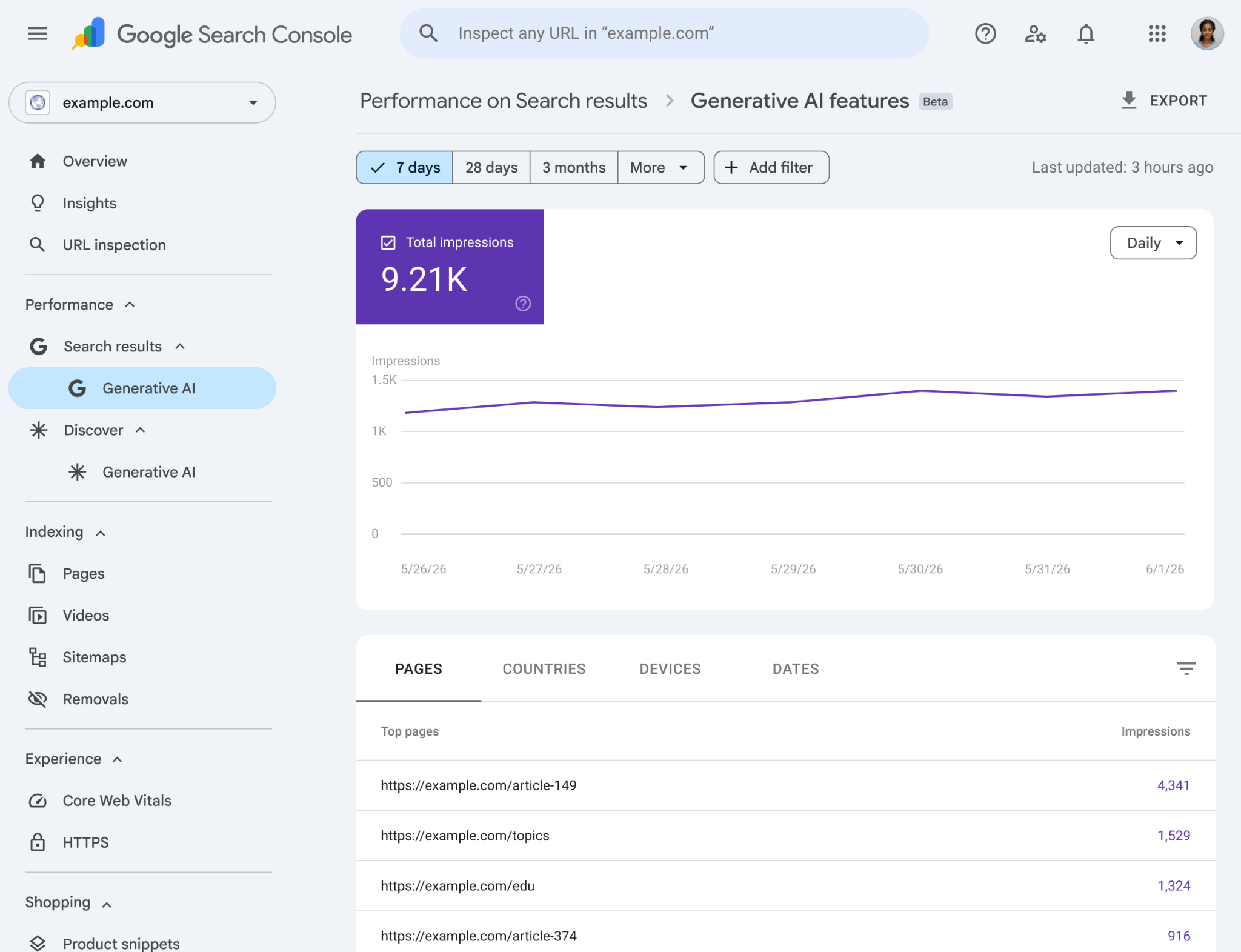
The launch addresses one of the biggest frustrations facing SEO teams over the past year: understanding how AI-driven search features contribute to visibility and traffic.
The reports are only available to a limited group of websites for now, but they offer the clearest signal yet that Google is treating AI search performance as a distinct reporting category.
3. UK publishers gain new rights over AI search
The UK’s Competition and Markets Authority has introduced new requirements that will force Google to give publishers more control over how their content is used in AI-powered search experiences.
Under the new rules, websites will be able to opt out of appearing in AI features such as AI Overviews and AI Mode without losing their ability to appear in standard search results. Publishers will also gain the ability to opt out of AI model training entirely, something the CMA describes as a world-first requirement.
Google will additionally be required to provide clearer attribution and linking to publisher content within AI-generated responses.
4. Google launches Search Profiles for publishers
More Google news! The company announced it’s rolling out Search Profiles within Discover, giving publishers and creators a dedicated destination where users can follow them, browse recent content and access links to social platforms.
Eligible publishers can customise profiles with bios, avatars and links to their wider online presence, while some may also receive enhanced Knowledge Panels as part of the rollout.
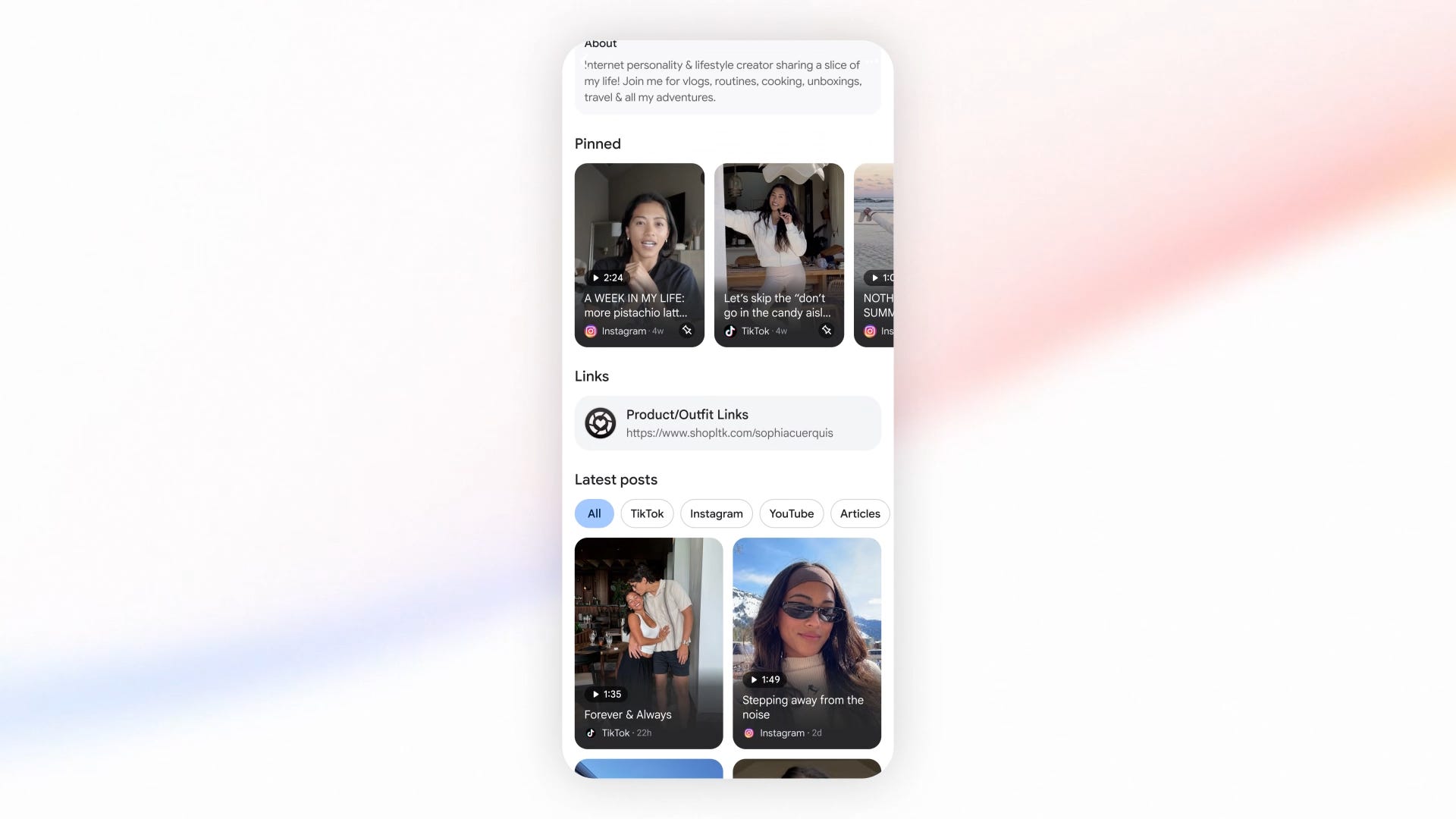
At launch, access is limited to publishers and creators with sizeable audiences on platforms like YouTube, Instagram, TikTok and X.
5. Amazon’s search bar is now generating products that don’t exist
Amazon is experimenting with a new AI-powered shopping experience that generates product images based on descriptive searches, helping users visualise items even when they don’t know the correct product terminology.
The feature creates AI-generated images based on user descriptions before directing shoppers to similar real products available for purchase. Amazon is also expanding its AI-generated style inspiration tools, showing outfit collages and product combinations based on search intent.
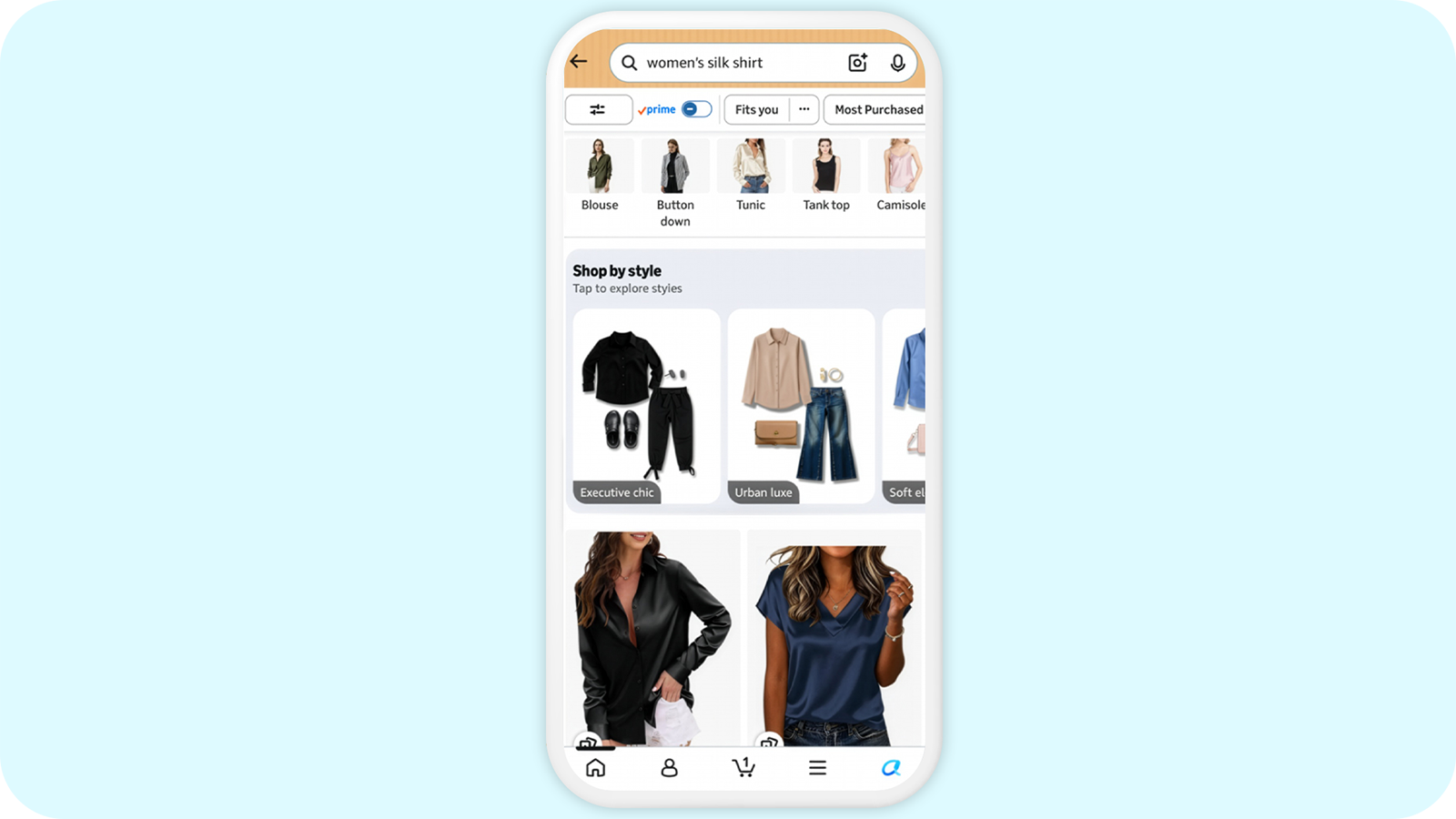
The goal is to make product discovery more intuitive, particularly when users know what they want visually but struggle to describe it using traditional search terms.
Social

6. Meta launches AI creator assistant
Meta has introduced a new AI-powered creator assistant designed to help Facebook creators analyse performance, understand trends and plan future content directly from their creator dashboard. The chatbot acts as a personalised advisor, offering recommendations based on an individual creator’s audience, engagement patterns and content history.
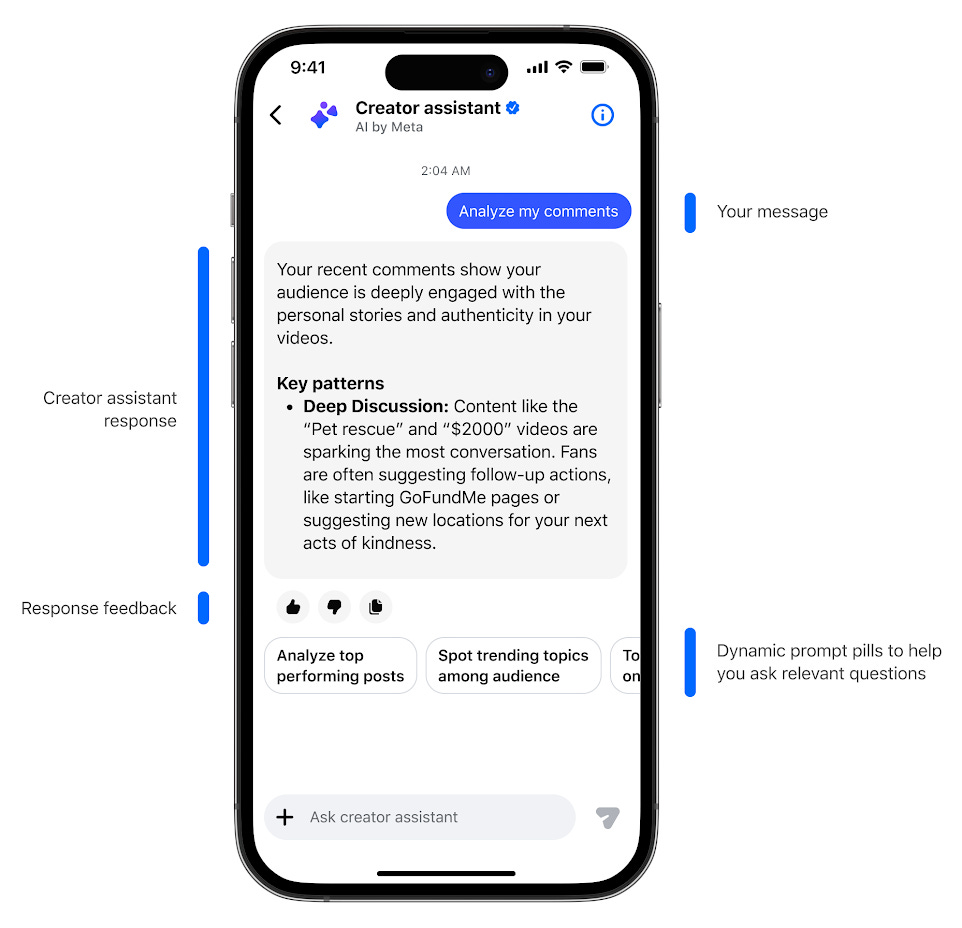
There is a risk to this. As AI increasingly recommends what creators should post, there’s the possibility of content becoming more homogenised with users following similar suggestions and trends.
The value will likely depend on whether creators use the tool as inspiration rather than instruction.
7. TikTok’s ambition to become a super app is becoming impossible to ignore
TikTok’s expansion beyond social media is accelerating. The platform has already built shopping, search, local discovery, gaming and entertainment experiences into its ecosystem. Now it’s adding hotel bookings and pursuing fintech licences that could eventually allow lending and payment services.
The strategy mirrors the super app model popularised by platforms like WeChat, where users can discover content, shop, pay bills, book services and communicate without ever leaving the app.
Whether Western audiences fully embrace a super app remains uncertain, but TikTok’s direction of travel is clear. It no longer wants to be just a social platform. It wants to become a destination for almost every stage of the digital consumer journey.
PR

8. McDonald’s turns nostalgia into horror with Backrooms activation
McDonald’s has found a clever way to join the conversation around A24’s hyped new Backrooms film by transforming one of its most recognisable spaces into something unsettling.
The brand released an analogue horror-style video that reimagines its PlayPlace as a Backrooms-inspired labyrinth of empty corridors, fluorescent lighting and eerie childhood nostalgia.
What makes the activation work is that it doesn’t feel forced. Rather than inventing a connection, McDonald’s leaned into a cultural observation many people already recognised: PlayPlaces have always felt a little liminal.
AI

9. OpenAI expands Codex beyond developers
OpenAI is positioning Codex as more than a coding tool with the launch of new role-specific plugins and collaborative app-building features.
The company says around 20% of Codex users are now non-technical professionals, including marketers, analysts, researchers and designers. To support that shift, OpenAI has launched specialist plugins tailored to functions like data analysis, creative production, sales, product design and investment research.
10. Meta begins charging businesses for AI agents
Meta is taking another step toward monetising its AI investments by launching paid access to its Meta Business Agent, which is designed to handle customer interactions across WhatsApp, Messenger and Instagram.
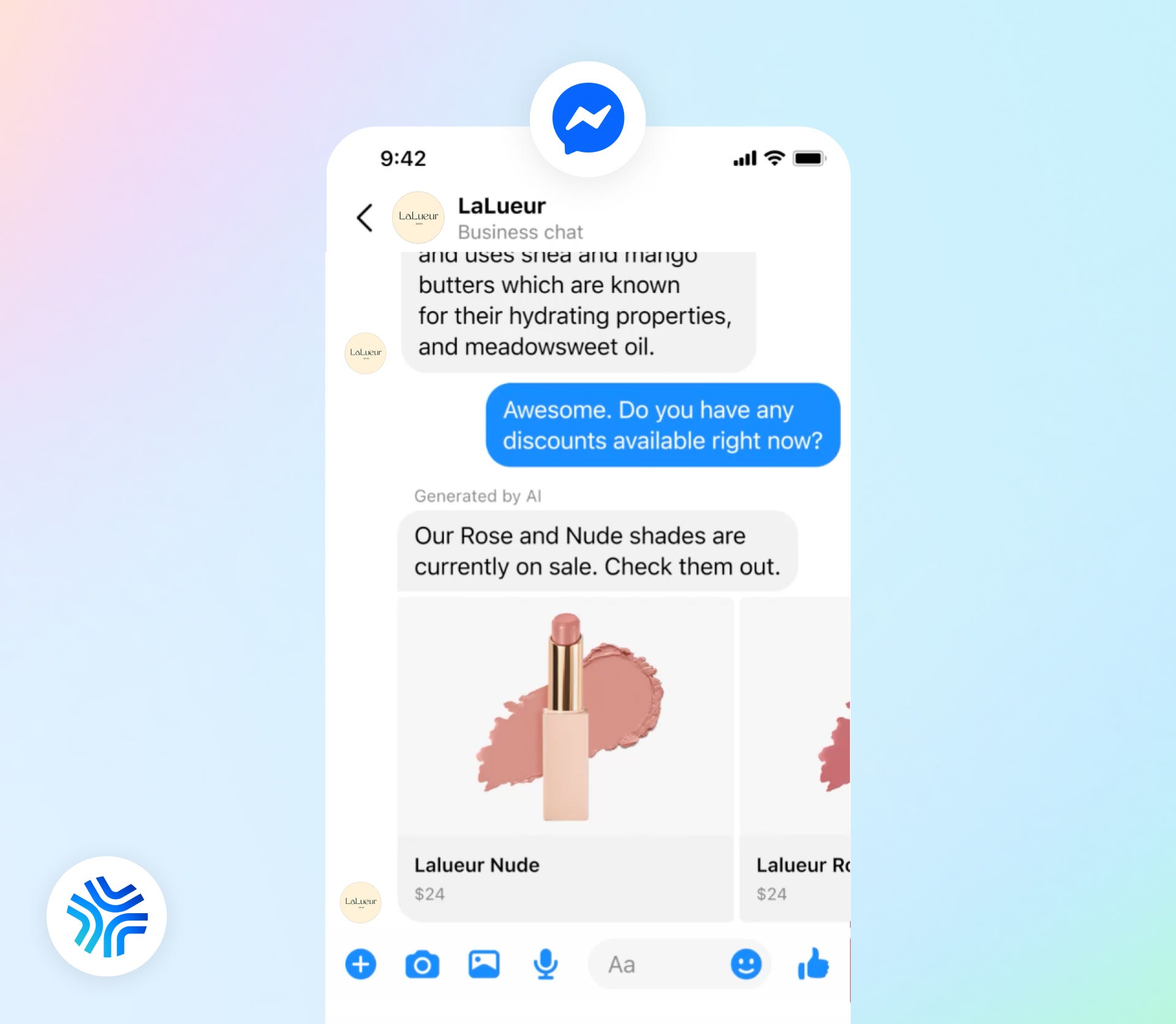
Meta says future versions of the agent will go beyond customer service and eventually handle tasks such as research, scheduling and operational support, pushing further into territory traditionally occupied by human assistants.
11. Microsoft enters the AI assistant race with Scout
Microsoft has unveiled Scout, an always-on AI assistant designed to act more like a personal employee than a chatbot. Scout works across calendars, emails, Teams conversations and personal schedules to proactively organise tasks, surface information and coordinate daily activities.
The launch highlights a growing battle emerging across the AI industry. Google has Gemini Spark, Microsoft now has Scout, and several competitors are pursuing similar visions.
12. Apple’s new Siri may finally look like a modern AI assistant
Speaking of AI assistants: leaked screenshots ahead of WWDC suggest Apple is preparing its biggest Siri redesign in years.
The new interface reportedly introduces a “Search or Ask” experience that looks far closer to ChatGPT, Gemini and Claude than previous versions of Siri. Users will be able to hold ongoing conversations, access conversation history and ask Siri to complete more complex tasks using information from calendars, files and messages.
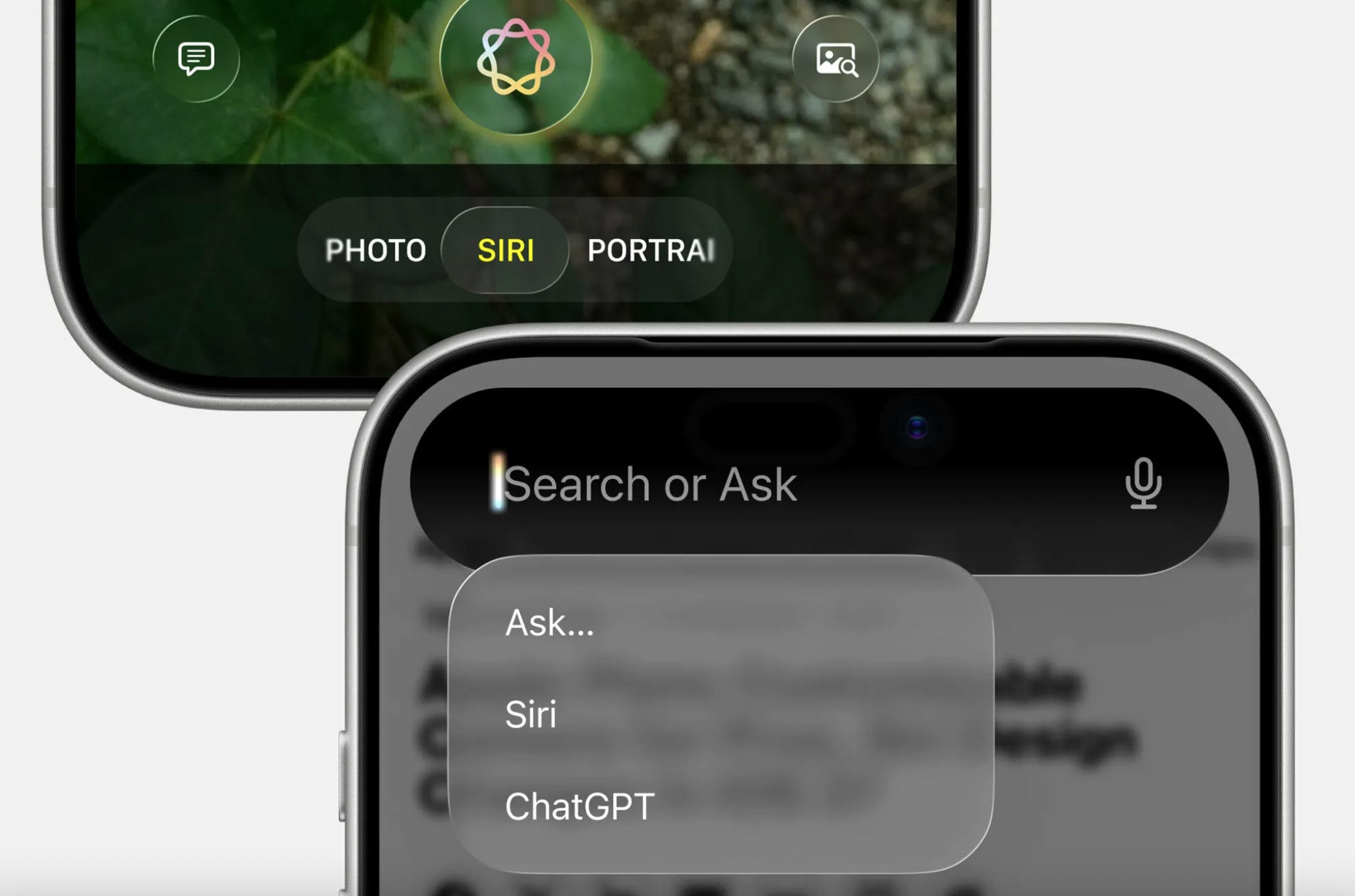
While Apple has been criticised for moving more slowly than rivals in the generative AI race, these leaks suggest the company is preparing to reposition Siri as a conversational assistant rather than a simple voice command tool.
That’s a wrap for this week! See you next Friday for another round-up of the best and biggest stories from across the Search-Verse™.