
Google I/O special: new Gemini models, Search overhauls and more
This week's highlights across Search, Social, PR and AI.

Search & AI: Google I/O Special
Earlier this week, Google I/O 2026 gave us a clearer picture of where the company sees the future of AI, Search and the web heading.
1. Gemini gets faster, more agentic, and more integrated
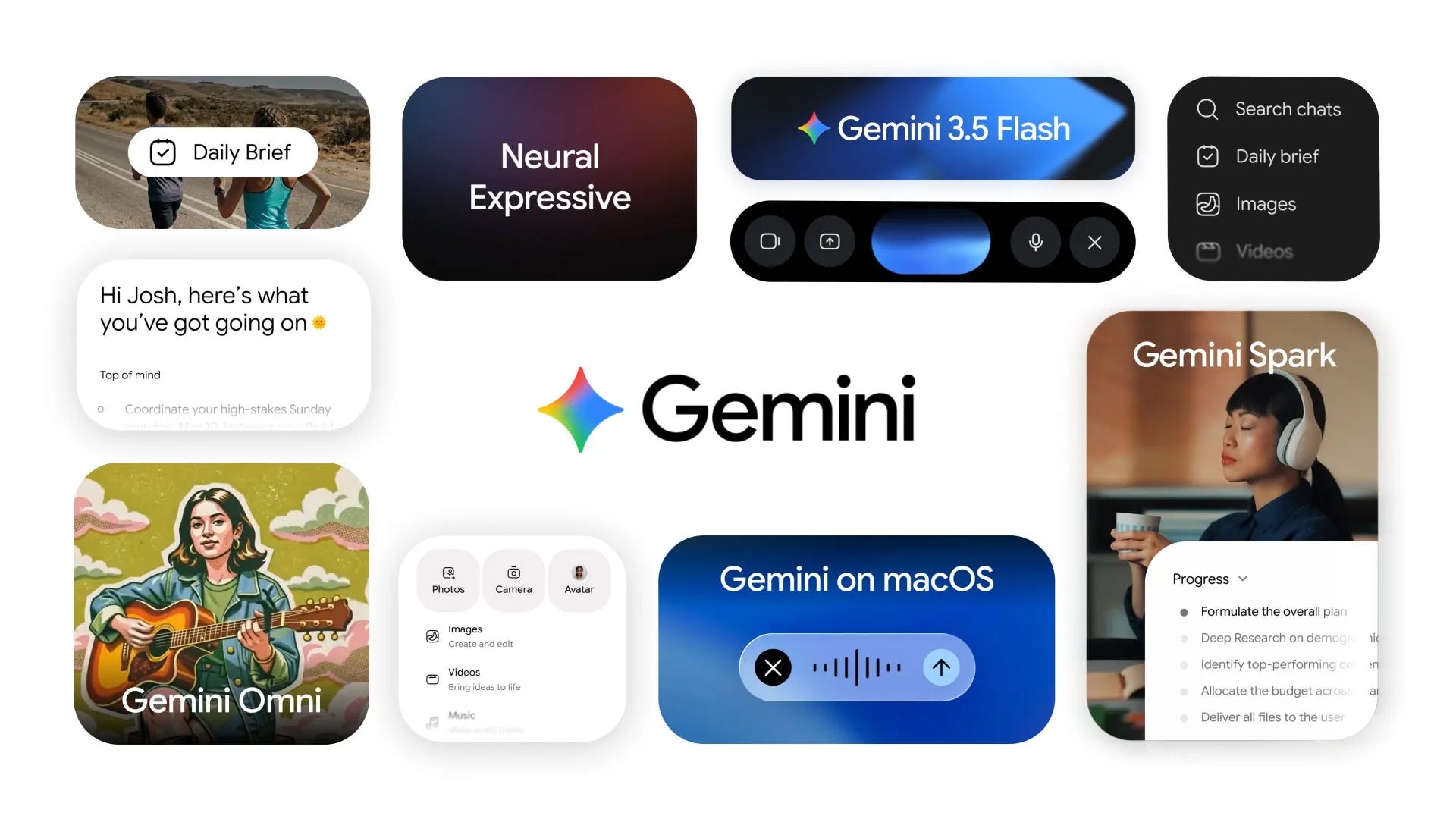
Google used I/O 2026 to position Gemini as the centre of its entire AI ecosystem. Gemini 3.5 Flash is now the default model powering both the Gemini app and AI Mode in Search, with Google claiming faster performance, better coding abilities, stronger agentic capabilities and improved safety guardrails.
Alongside this, Google introduced Gemini Omni, a new multimodal model family capable of generating video from combinations of text, images, audio and video prompts.
The bigger announcement, though, may be Gemini Spark: an always-on AI agent that can connect to Workspace tools and third-party apps to complete tasks in the background. From drafting emails to monitoring subscriptions, Google is clearly pushing toward AI assistants that operate more proactively across users’ digital lives.
2. Google Search continues its shift toward AI
Search also received one of its biggest AI overhauls yet. Google is expanding the search box to encourage longer, more conversational queries, while users will now be able to search using images, videos, files and even Chrome tabs alongside text.
The company also announced “information agents,” which can provide ongoing summaries and updates around topics by pulling from news, blogs, forums and social content. Meanwhile, new generative UI features will allow Search to create interactive tables, graphs and simulations directly within results.
Perhaps most notably, Google is introducing AI-generated “mini apps” for repeated tasks and searches, such as event planning dashboards or custom trackers.
3. Google wants to own the shopping journey too
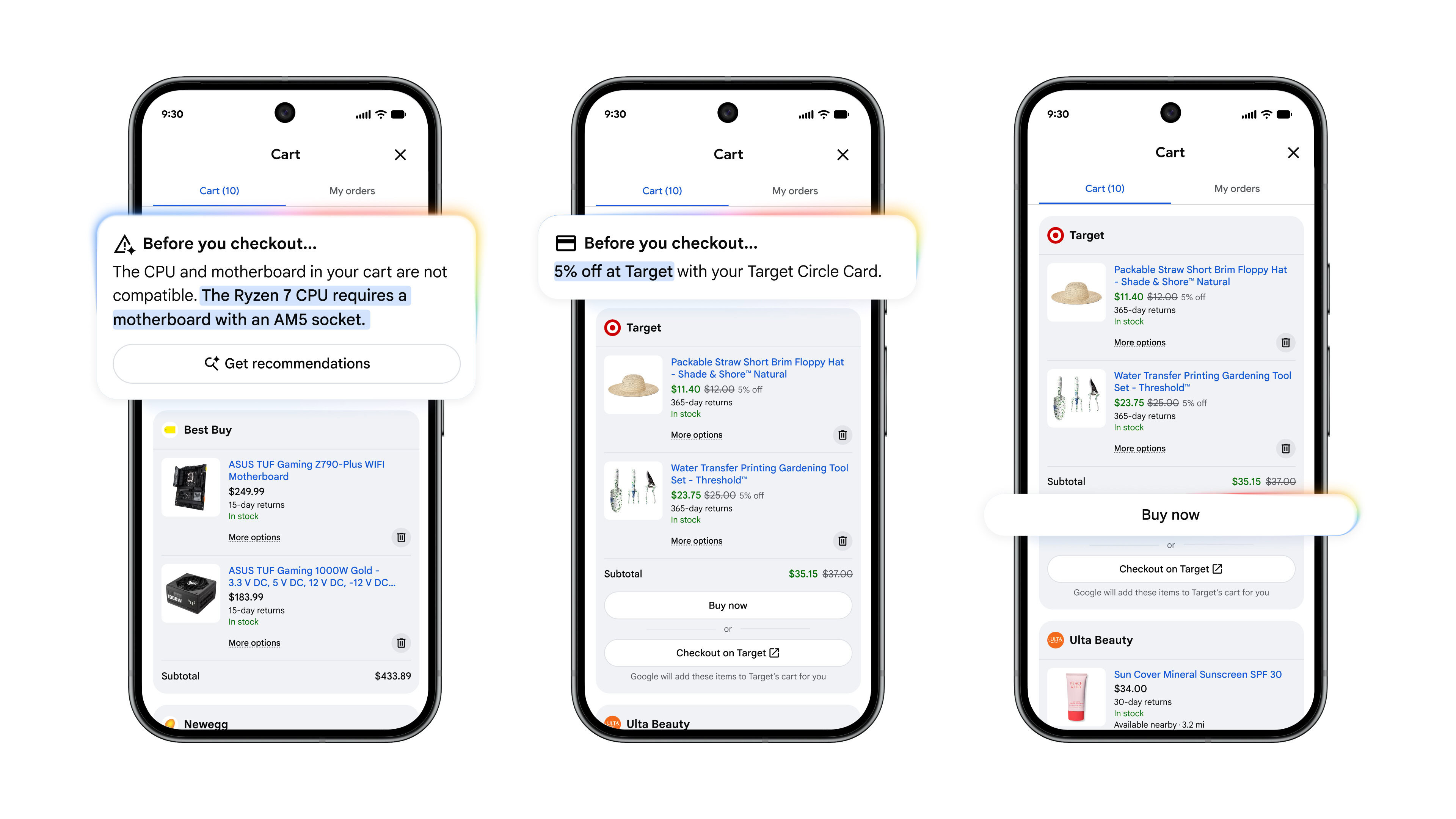
Google also unveiled Universal Cart, a shared shopping cart that works across Search, Gemini, YouTube and Gmail. Users will be able to add products from multiple retailers into one cart and check out simultaneously, even across different merchants.
With AI shopping assistants becoming a key battleground across tech platforms, Universal Cart feels like Google’s attempt to create a more seamless, AI-assisted retail ecosystem before competitors fully establish themselves.
4. Google fully embraces the “vibe coding” era
Finally, Google also announced new AI Studio features that allow users to build full Android apps using prompts alone. The company is leaning hard into the growing “vibe coding” trend, where users describe what they want conversationally instead of manually writing code.
Users can now generate native Android apps, preview them in an embedded emulator, install them directly onto devices for testing, and export them to GitHub or Android Studio. Google says publishing directly to the Play Store will also be possible in future.
Social

5. LinkedIn cracks down on AI “slop”
LinkedIn is stepping up its fight against low-quality AI content, introducing systems designed to detect generic posts, bot comments and engagement bait. The platform says it isn’t trying to punish people for using AI tools, but rather content that lacks original thinking, expertise or perspective.
According to LinkedIn, the new systems use “AI solving AI” to identify repetitive or low-value posts, with human editorial teams helping train the models by labelling thousands of examples. Rather than removing content outright, LinkedIn will reportedly reduce the reach of posts flagged as generic.
6. X limits posting for non-paying users
X has quietly introduced stricter posting limits for non-paying users, cutting the number of daily posts allowed from 2,400 to just 50 original posts and 200 replies per day. The platform says the move is aimed at reducing spam, scams and bot activity, while DM limits and follow limits remain unchanged.
The update is the latest example of X tightening restrictions around free accounts as it continues pushing users toward Premium subscriptions.
PR

7. Spotify’s temporary logo redesign sparks huge reaction
Spotify celebrated its 20th anniversary by temporarily replacing its app icon with a glossy green disco ball version of its logo — and the internet had plenty to say about it. Some users hated the retro design, while others praised it for bringing personality back to app icons after years of flat, minimalist branding.


The redesign only lasted a few days, but that was arguably the point. Rather than launching a major permanent rebrand, Spotify created a short-term visual disruption that sparked conversation across social media and design circles alike. The debate itself became the campaign, generating huge attention for a platform people often use without actively thinking about.
It’s a good reminder that brands don’t always need audiences to love an idea. Sometimes, simply making people notice is enough.
AI

8. xAI launches reusable “Skills” for Grok
xAI has launched a new “Skills” feature for Grok, allowing users to teach the chatbot preferences, workflows and formatting rules that persist across conversations. Instead of repeating the same instructions every time, users can now save them as reusable skills that Grok remembers automatically.
Skills can be created through conversation, by uploading files, or by asking Grok to save patterns it has already learned during a chat. The feature is rolling out across Grok 4.3 on web, iOS and Android.
9. OpenAI introduces personal finance tools in ChatGPT
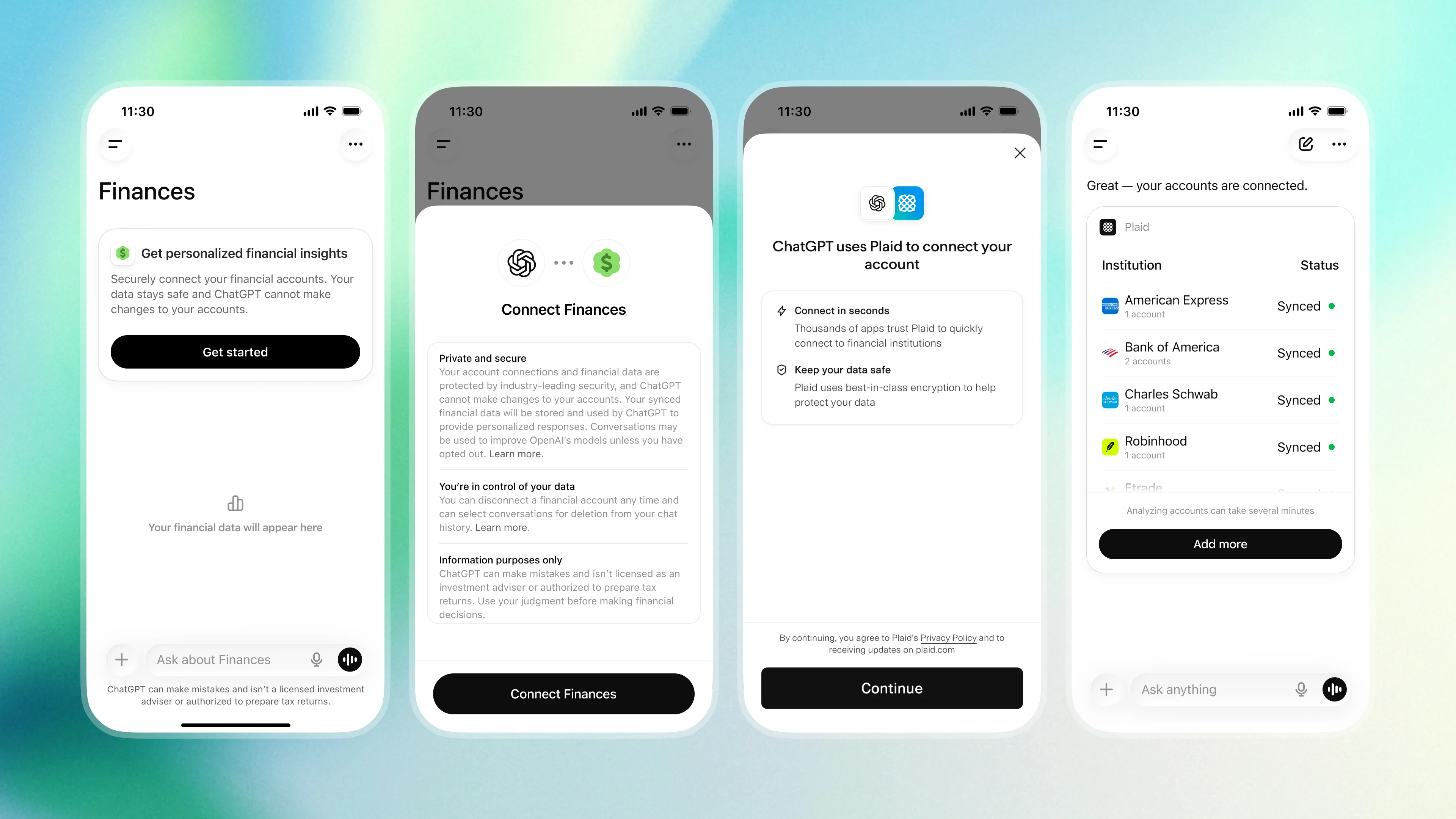
OpenAI is rolling out a new personal finance experience inside ChatGPT for Pro users in the U.S., letting people securely connect financial accounts directly to the chatbot. The feature gives users a dashboard showing spending, account activity and financial trends, while also letting them ask questions based on their real financial situation.
OpenAI says the goal is to help users better understand trade-offs, budgeting decisions and long-term planning through more personalised conversations. The rollout currently supports over 12,000 financial institutions and is initially limited to a smaller test group before expanding further.
That’s all for this week! See you next Friday for another round-up of the best and biggest stories from across the Search-Verse™.