
Search Console updates, "worst aquarium ever" & more
This week's highlights across Search, Social, PR and AI.

Search

1. Search Console platform properties are now live globally
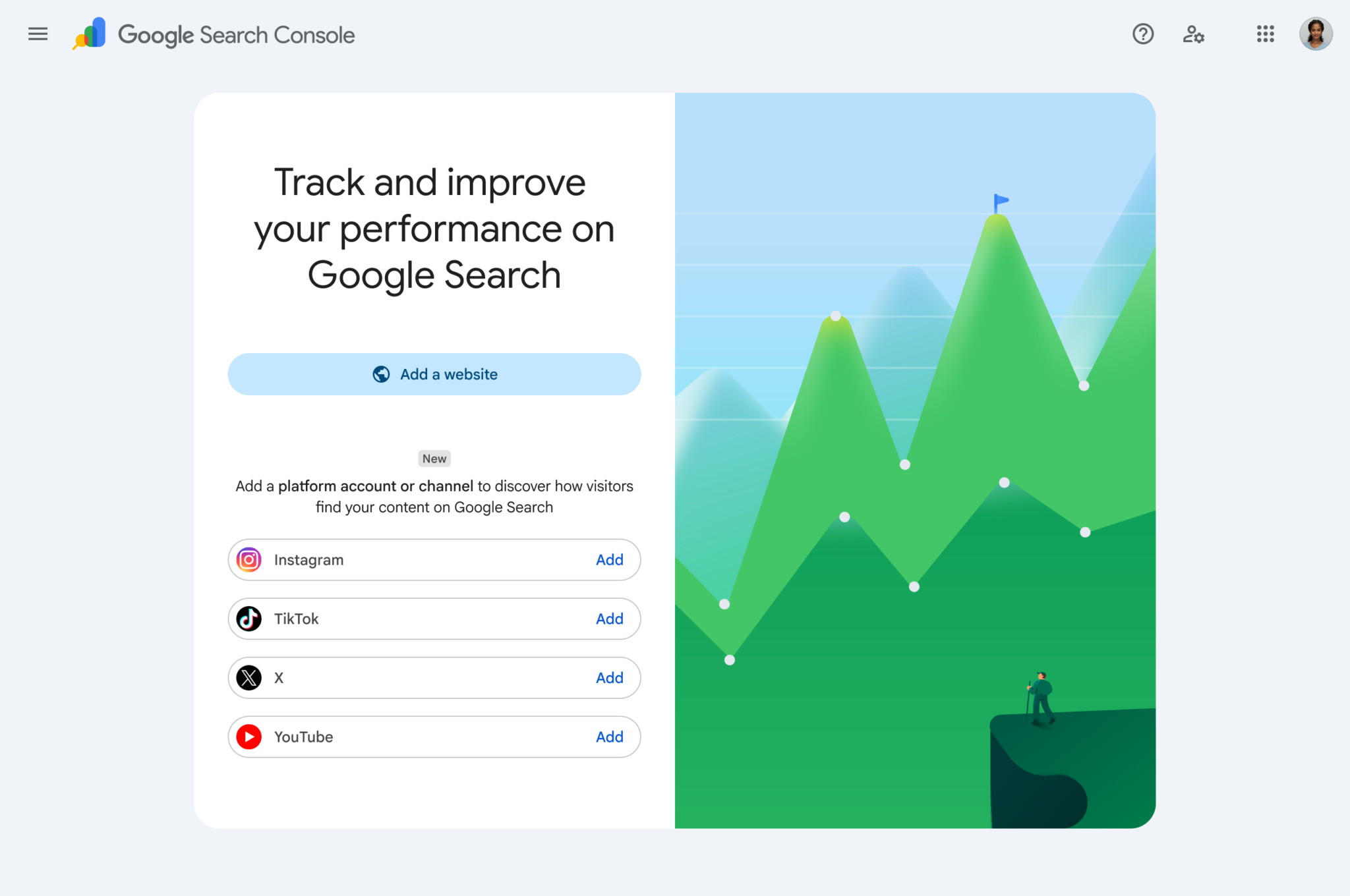
Google has completed the global rollout of platform properties in Search Console, the feature that lets creators and brands track how their Instagram, TikTok, X and YouTube content performs in Google Search, Discover and Google News.
Alongside the global launch, Google published a new guide on how to analyse social and video content performance, covering query trends, traffic spikes, cross-platform comparison and how to identify older posts that are regaining search traction.
For agencies managing brand social channels, this is now a reportable data source you can pull into SEO and content performance conversations.
2. Topical authority in ChatGPT travels further than you think
New research from Semrush, analysing over 280,000 domain-category citation observations in ChatGPT over 6 months, found that being cited as a source carries across categories more readily than being mentioned by name.
A domain can earn citations in categories well outside its core expertise if its content is relevant and authoritative; but getting ChatGPT to actually name the brand tends to require genuine depth in closely related categories.
Industry also shapes the pattern. Finance and real estate saw broader coverage translate into stronger citation gains, while legal and healthcare set a much higher bar, where even full category coverage didn’t reliably produce brand mentions. The takeaway for content strategy is to build depth in a few adjacent areas before treating each as a launchpad to the next.
3. Google's AI Overviews data in Search Console is distorting your reporting
A detailed report from Search Engine Journal flags a structural flaw in how Google reports AI Overviews data in Search Console that marketing teams should be aware of.
Every URL inside an AI Overview block is assigned position one in GSC regardless of where it actually sits. And when the same page appears in both an AI Overview and an organic result on the same SERP, GSC averages those positions together, producing a misleading middle number that obscures real ranking performance.
Teams reporting impression growth from AI Overviews risk masking a genuine decline in organic traffic, leads and conversions. The recommendation is to move away from average position and impression count as core KPIs, and anchor reporting instead to first-party analytics, actual visit data and conversion performance.
Social

4. Snapchat bans wholly AI-generated videos from its Spotlight recommendations
Snapchat has updated its Spotlight feed algorithm to demote and exclude entirely AI-generated videos from recommendations, while continuing to allow content that uses AI for editing or enhancement. The platform’s rationale is that human creativity and personal storytelling remain central to what makes Spotlight work, and that low-quality, repetitive AI content risks eroding the experience.
It’s a meaningful contrast with Meta’s recent approach. While Meta launched a fully AI-generated content feed with its Vibes app, Snapchat is drawing a clear line between human-made and machine-made content.
5. LinkedIn adds a button to report AI slop
On a similar theme: LinkedIn is introducing a “seems like AI slop” reporting button that users can click on any post they believe has been written by AI without genuine human input. The reports will feed into new classifiers that reduce AI slop visibility in suggested content.
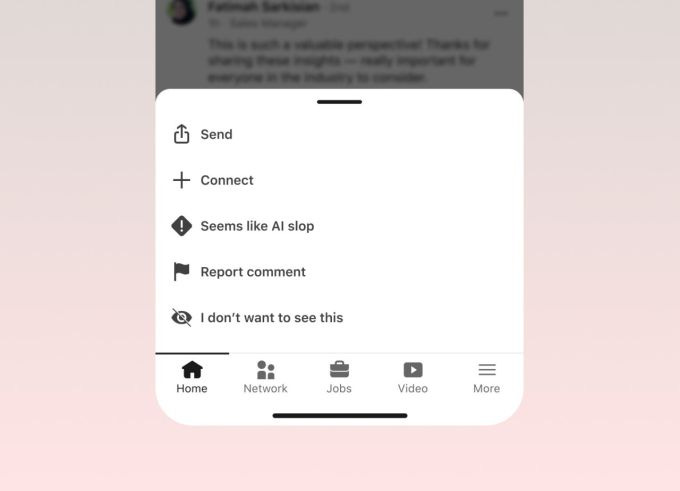
The platform is also privately flagging users when their content is being perceived as inauthentic due to heavy AI use, and blocking hundreds of thousands of automated comment attempts daily.
Perhaps most significantly, LinkedIn is removing its own “enhance your post” AI writing feature and replacing it with a proofreading tool that improves your words rather than replacing them. The message is pretty clear: AI-assisted polish is acceptable, but AI-generated voice is not.
PR

6. Museum turns a one-star review into a bestseller
In 2020, a Google reviewer visited the New Bedford Whaling Museum in Massachusetts and left a one-star review calling it the “worst aquarium ever”. The museum has no live aquatic animals, only whale skeletons, so the reviewer was, technically, correct.
Visitor experience manager Emily Roznoy designed a range of T-shirts, sweatshirts and tote bags featuring the review alongside the museum’s sperm whale skeleton. After a CBS Evening News segment ran in late July, the museum received 738 online orders in a single afternoon and sold out entirely.
It’s a fantastic example of reactive brand humour. In an era of overproduced brand content, owning a negative review with full commitment turns out to be rather effective marketing.
AI

7. Google is building plugins and closing feature gaps on Gemini
Two pieces of Gemini news spotted in recent builds by TestingCatalog. First, Google appears to be developing a Plugins system for Gemini Enterprise, which would add a packaged application layer on top of its existing Connectors and Skills framework, allowing business teams to run multi-step workflows without configuring each component from scratch.
Separately, the Gemini desktop app is gaining dedicated tabs for image and video generation, a camera capture option for dropping photos directly into prompts, and custom MCP server support for Spark.
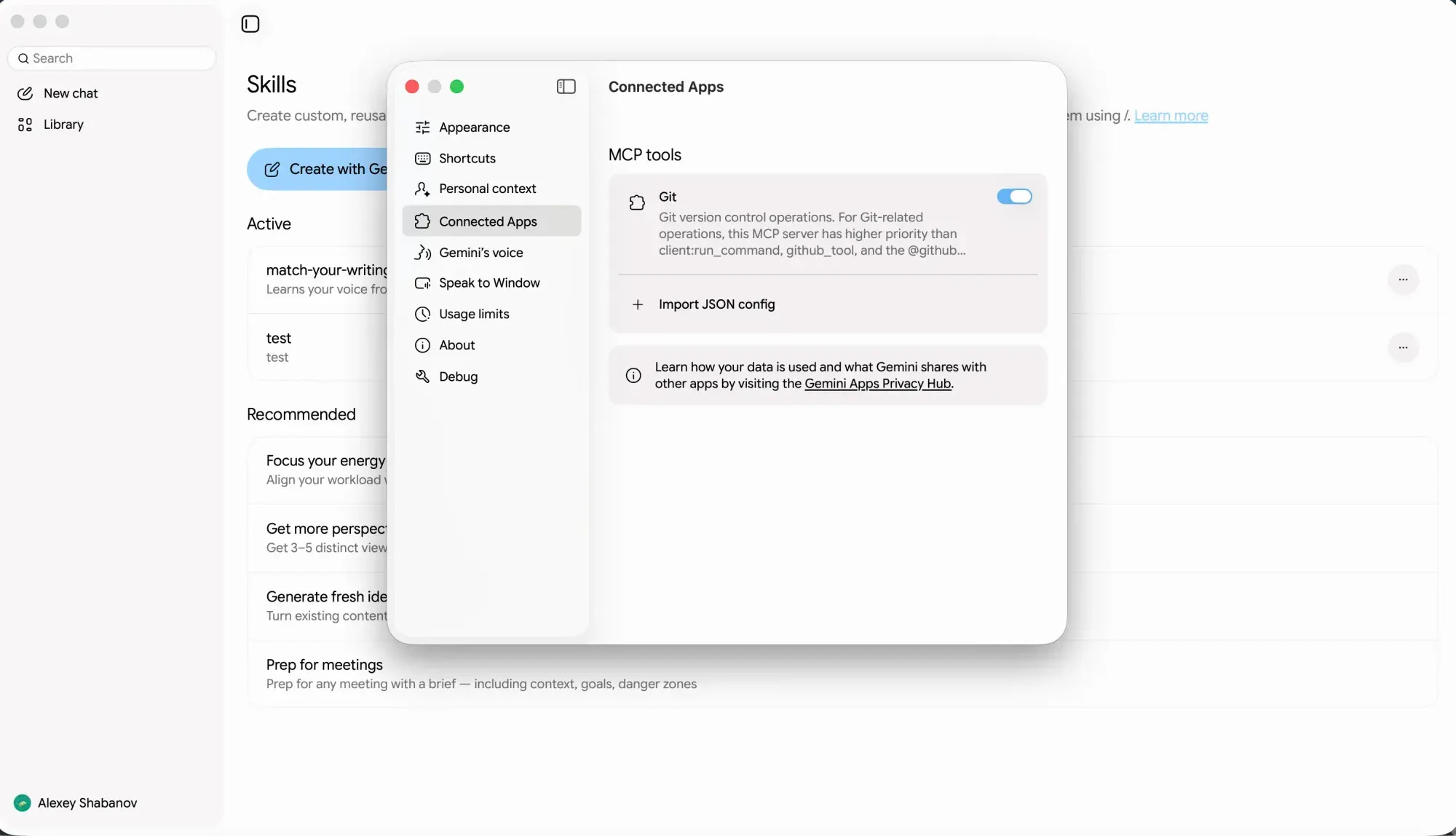
Taken together, these updates suggest Google is methodically reducing the gap between the desktop app and its web counterpart, and between Gemini Enterprise and the more mature plugin ecosystems of Claude and ChatGPT.
8. Meta says AI is dramatically speeding up how it builds new apps
On Meta’s Q2 2026 earnings call, Mark Zuckerberg told investors that large language models have made it significantly faster to build and test new consumer software.
He cited a wave of recent launches including the Seller app for Marketplace, a standalone Facebook Groups app, a vibe-coded gaming app and an AI bedtime stories experiment. More apps are on the way, he said, without providing specifics.
For an organisation that spent years struggling to ship successful standalone apps beyond its core platforms, this is a big shift.
9. Microsoft confirms a Copilot super app is coming this quarter
Microsoft CEO Satya Nadella has confirmed the company is bringing together Copilot Chat, Copilot Code, Copilot Cowork and its autonomous Autopilots into a single super app, spanning both consumer and commercial use.
Microsoft reported more than 30 million paid Microsoft 365 Copilot seats, with conversations per user nearly doubling year over year.
No firm release date or pricing has been given, but Nadella tied the launch to the current quarter.
10. The EU's AI transparency rules are now in force
Article 50 of the EU AI Act came into effect on 2nd August, introducing enforceable rules that require chatbots and AI agents to disclose they are AI rather than a human; that deepfakes and AI-generated images, video and audio carry visible labels; and that AI-generated text on matters of public interest includes machine-readable marks. Fines for non-compliance run up to €15 million or 3% of global annual turnover.
For UK brands operating across the EU market or running AI-generated content campaigns targeting EU consumers, this is now a legal compliance question, not just a best-practice one. The UK has no equivalent law in force yet, but EU precedent tends to shape the direction of domestic regulation over time.
That’s a wrap for this week! See you next Wednesday for another round-up of the best and biggest stories from across the Search-Verse™.